
 ҚАЗ
ҚАЗ  RUS
RUS  ENG
ENG 
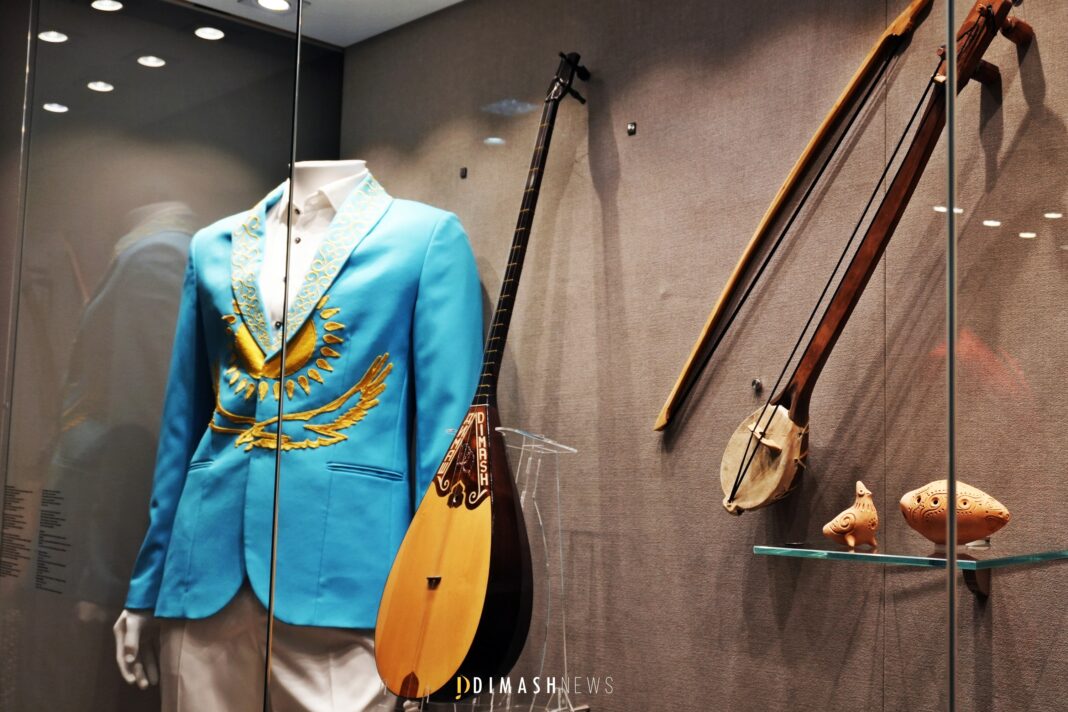
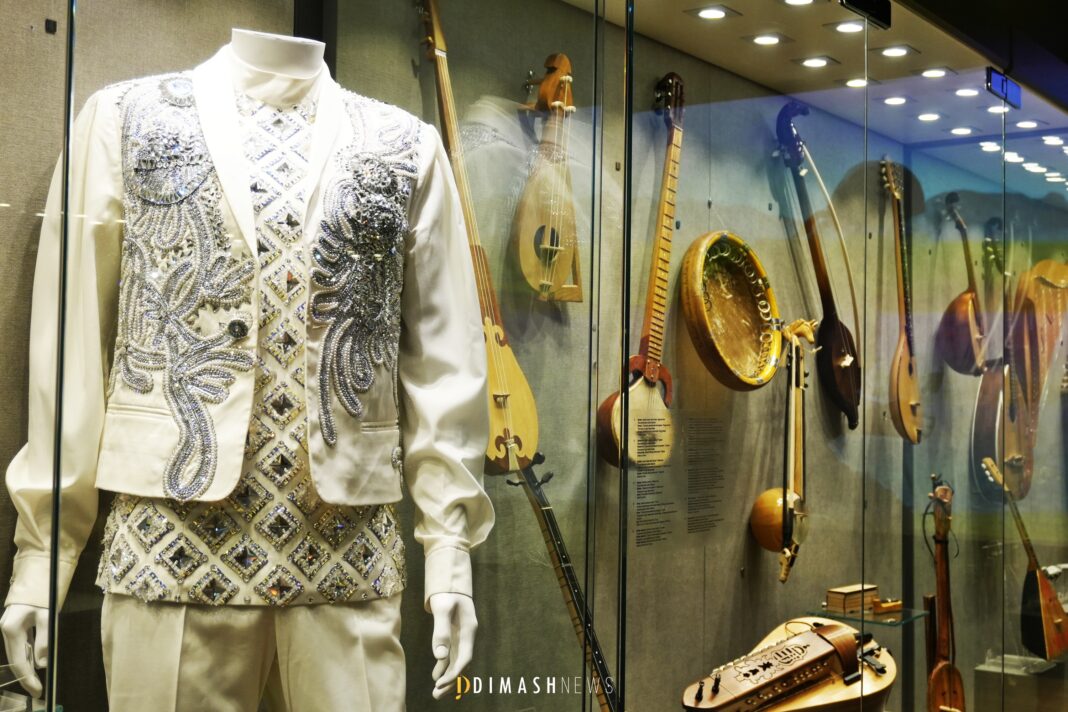
On February 18, 2026, the Ykhlas Museum of Folk Musical Instruments in Almaty, Kazakhstan, hosted the grand opening of the exhibition “Dimash: Bir Dauys – Myn El” (“Dimash: One Voice – A Thousand Nations”). The exhibition features musical instruments from the personal collection of singer, composer, producer, People’s Artist of Kazakhstan, and People’s Artist of the Kyrgyzstan, Dimash Qudaibergen.
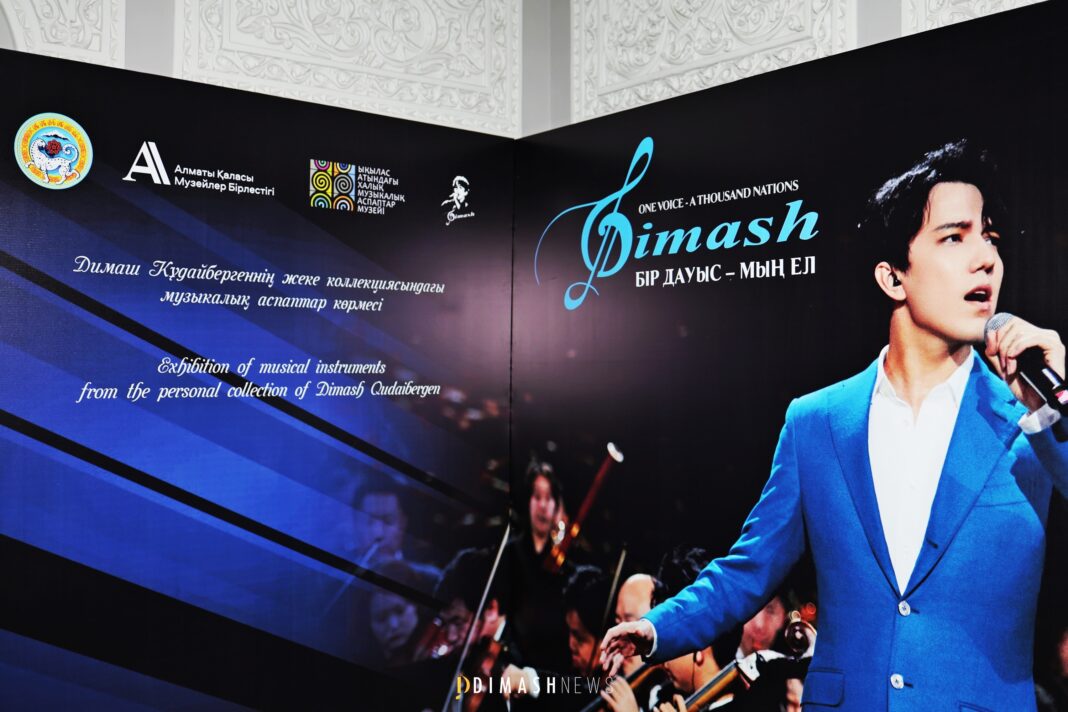
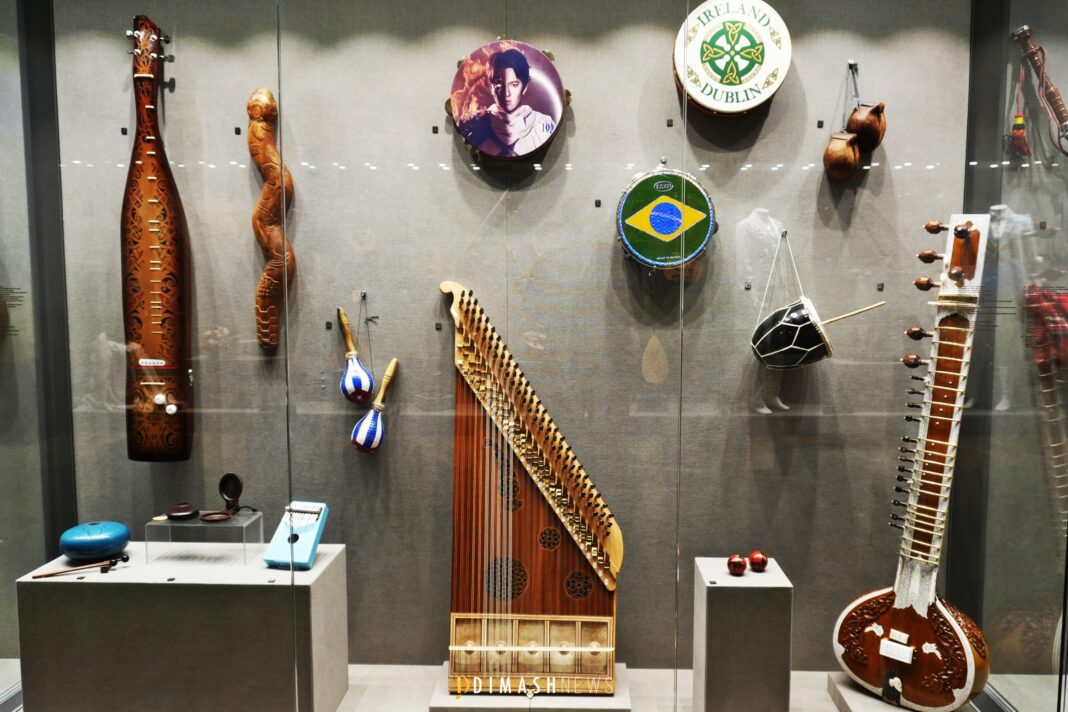
The exhibition presents more than 70 items from Dimash’s personal collection. Reflecting the artist’s creative journey and revealing different facets of his artistry, the display includes family heirlooms such as an accordion passed down from his grandfather; a pan flute gifted by world-renowned Romanian virtuoso Gheorghe Zamfir; a stage costume specially created for Dimash by Michael Jackson’s personal stylist, Goko Zaldi; a traditional Yakut khomus that traveled to space during the International Space Expedition 30/31 in 2011–2012; and many other remarkable artifacts.
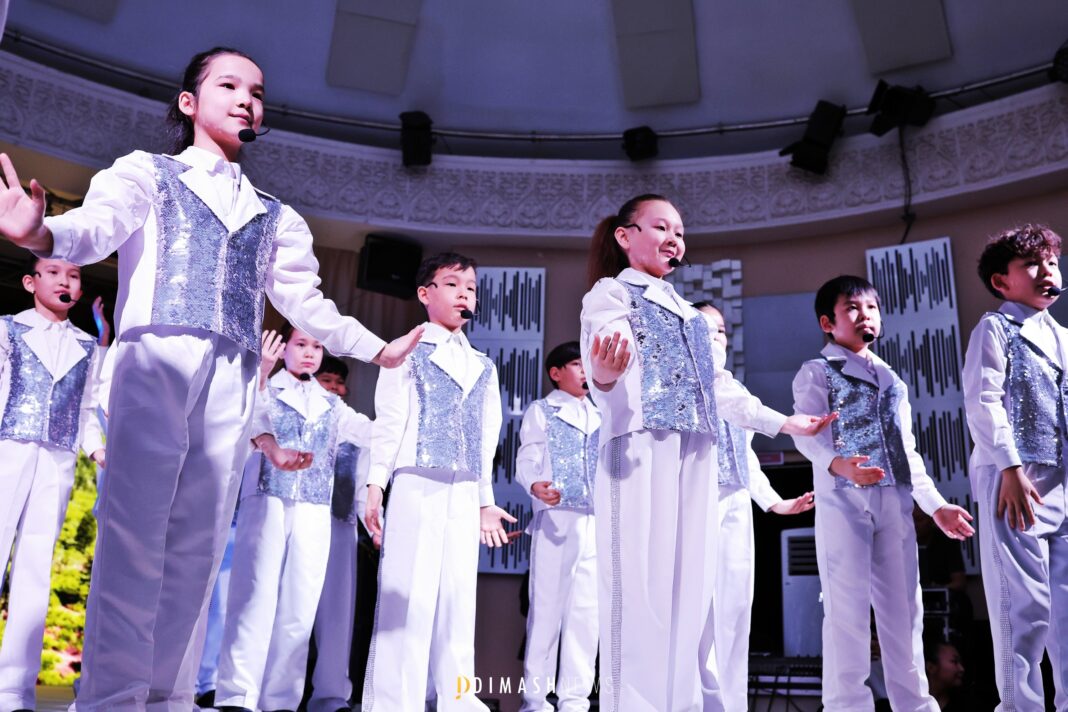
The ceremonial opening began with performances of Dimash’s songs “Tau Ishinde” and “Qazaqstanym” by the children’s choir of the Alatau District Children’s Creative and Innovation Center.
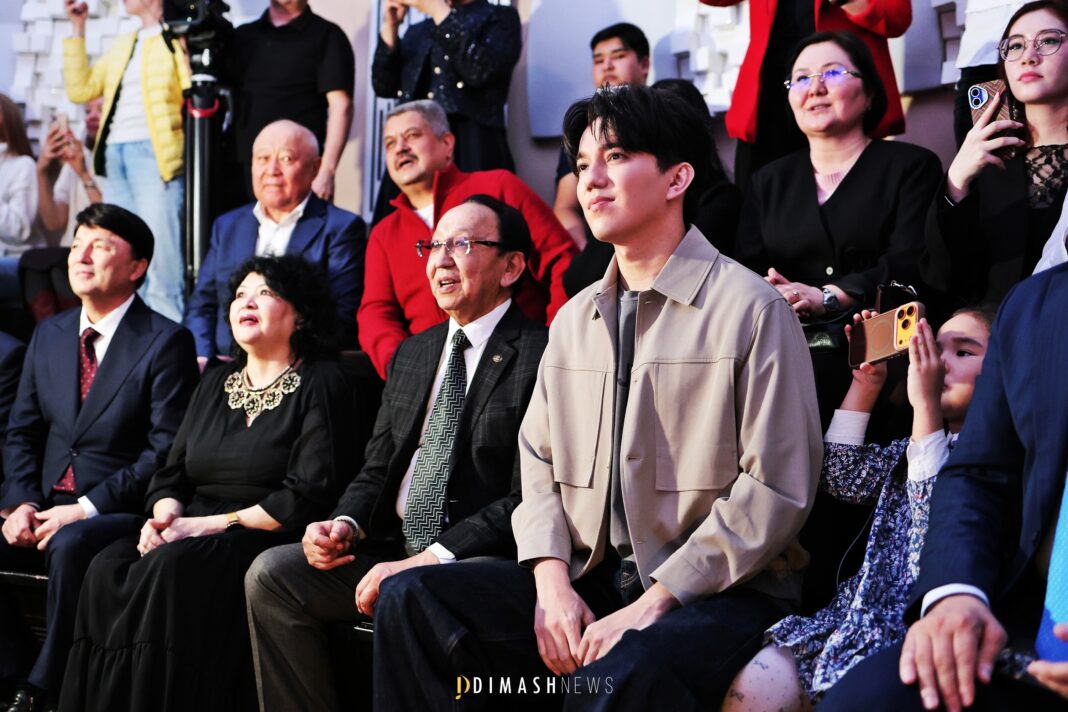
Among the distinguished guests were Kanat Aitbayev, head of the DimashAli Creative Center; Honored Worker of Kazakhstan Svetlana Aitbayeva; Lyazzat Sagyndykova, director of the Almaty Museum Association; and Bauyrzhan Zhanibekov, director of the Ykhlas Museum, who shared the story behind the exhibition:
“This year marks the 45th anniversary of our museum. The exhibition ‘Dimash: One Voice – A Thousand Nations’ became the opening event in a series of celebrations. Initially, we dreamed of acquiring one of Dimash’s dombras for our collection, given his extraordinary contribution to our culture. When we contacted Svetlana Yermekovna, she told us about his instrument collection. I knew it existed, but I had no idea it was so extensive.
The museum’s history dates back to 1981, when my father began assembling a collection of instruments. To bring them to life, the folklore-ethnographic ensemble ‘Sazgen’ was founded. Today, it is a major professional ensemble where many musicians began their careers.
Nearly all official international delegations visit our museum, discovering new aspects of our culture. Guests and consulate representatives often donate their own instruments, helping expand our collection.”
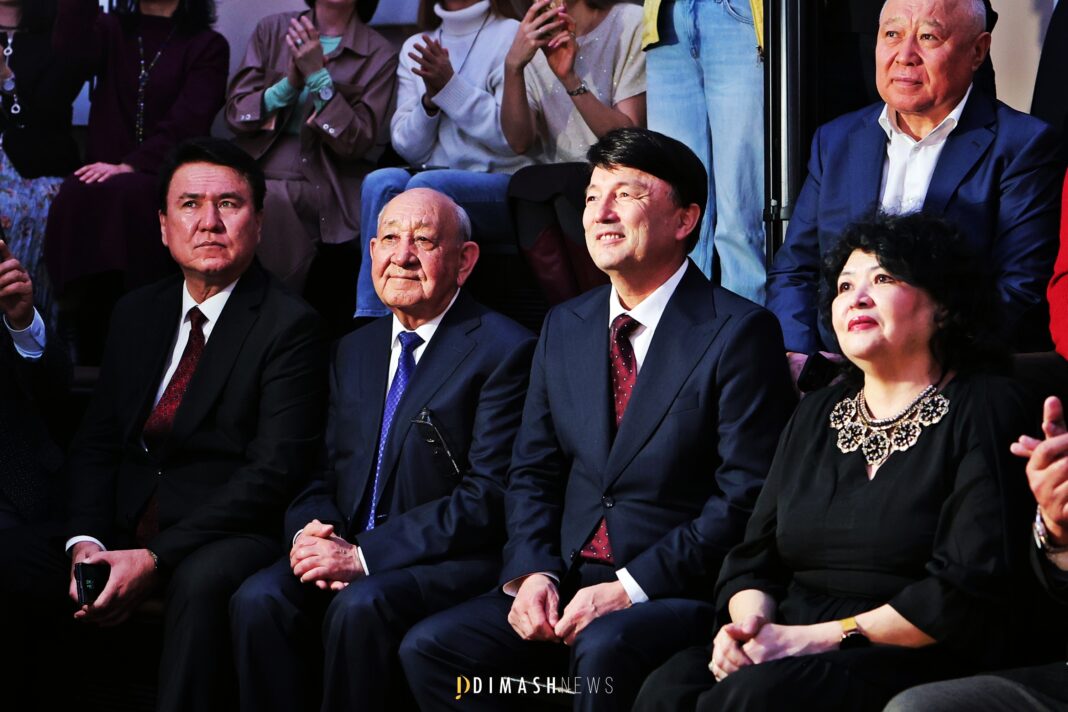
Daniyar Zhankabayev, head of the museum’s folk instruments department, noted that the museum already houses instruments belonging to outstanding historical figures such as Kurmangazy Sagyrbayuly and Abai Kunanbayev. When the decision was made to expand the collection to include prominent contemporary figures who promote Kazakhstan’s culture globally, Dimash Qudaibergen was the first artist considered.
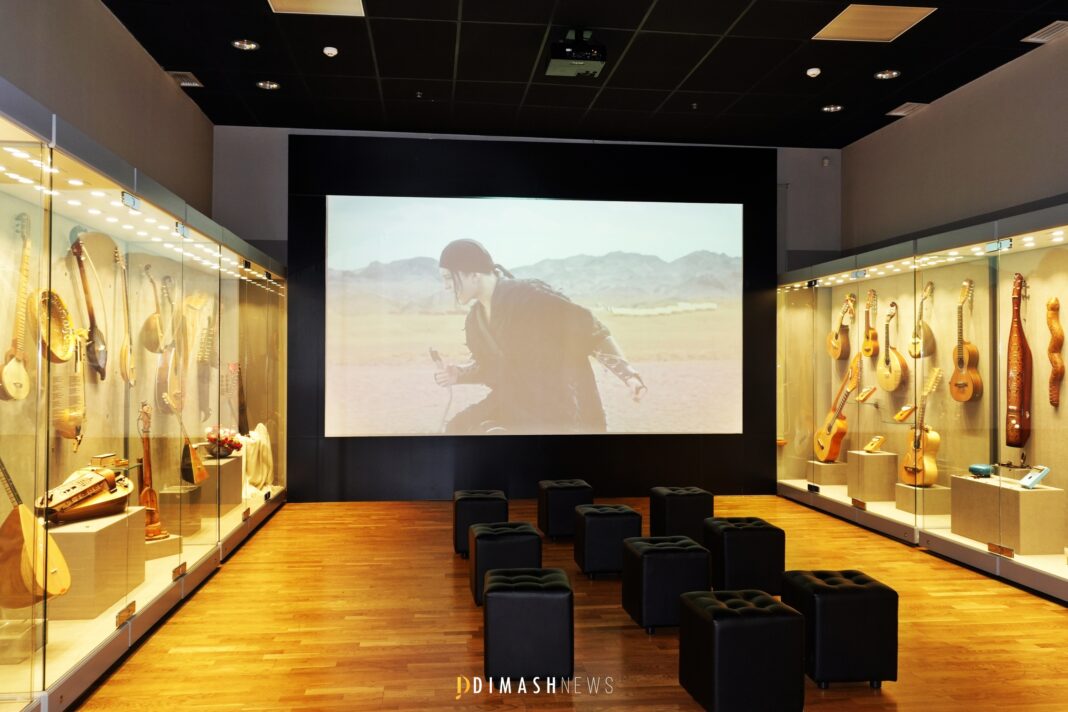
Upon learning that Dimash’s collection included instruments from many cultures and nations, the museum decided to organize a dedicated exhibition. Its goal is to introduce Kazakhstanis to the musical traditions of other nations and immerse international visitors in the diversity of instruments that reflect the cultural connections fostered by Dimash’s art.
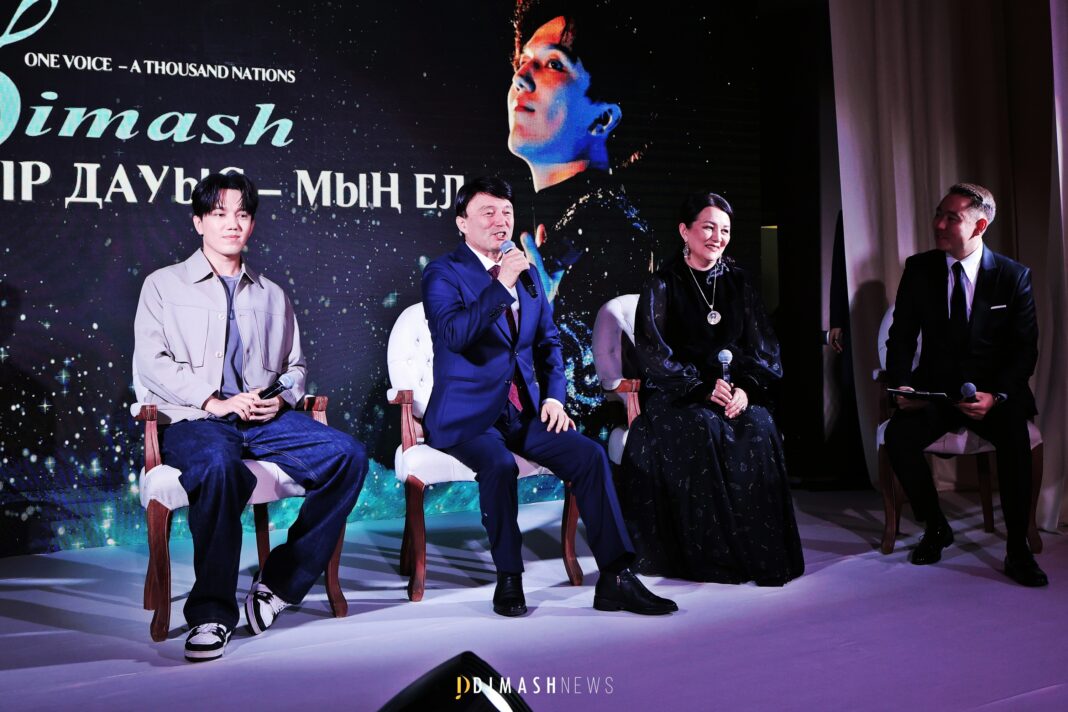
In his welcoming speech, Kanat Aitbayev said:
“As my younger brother Daniyar mentioned, Uzbekali Zhanibekov was an outstanding figure of the Kazakh people. This wonderful museum was born from his sincere and noble intentions.
Where there is continuity between generations, there will be a nation. Where there is a nation, there will be a state. Seeing the priceless artifacts preserved here from ancient times filled me with profound inspiration. It felt like traveling back through history.
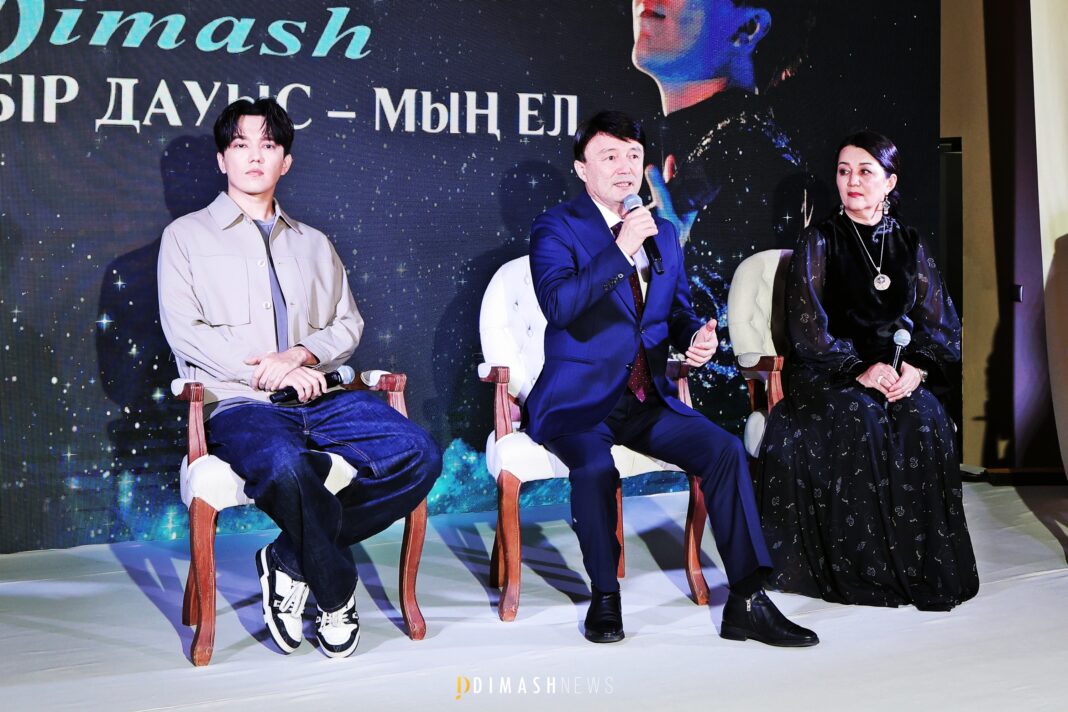
Through Dimash, we have visited many countries and participated in numerous events promoting cultural and professional exchange and introducing authentic Kazakh culture to the world.
Wherever we go, Dimash’s fans present us with meaningful gifts reflecting their own cultures. Sometimes, even countries we have not yet visited have sent us their national musical instruments.
To date, we have received more than seventy instruments as gifts. We could not bring them all, but we wanted Kazakhstan’s people to see the artistry and culture of Dimash’s international fans, strengthening cultural connections.
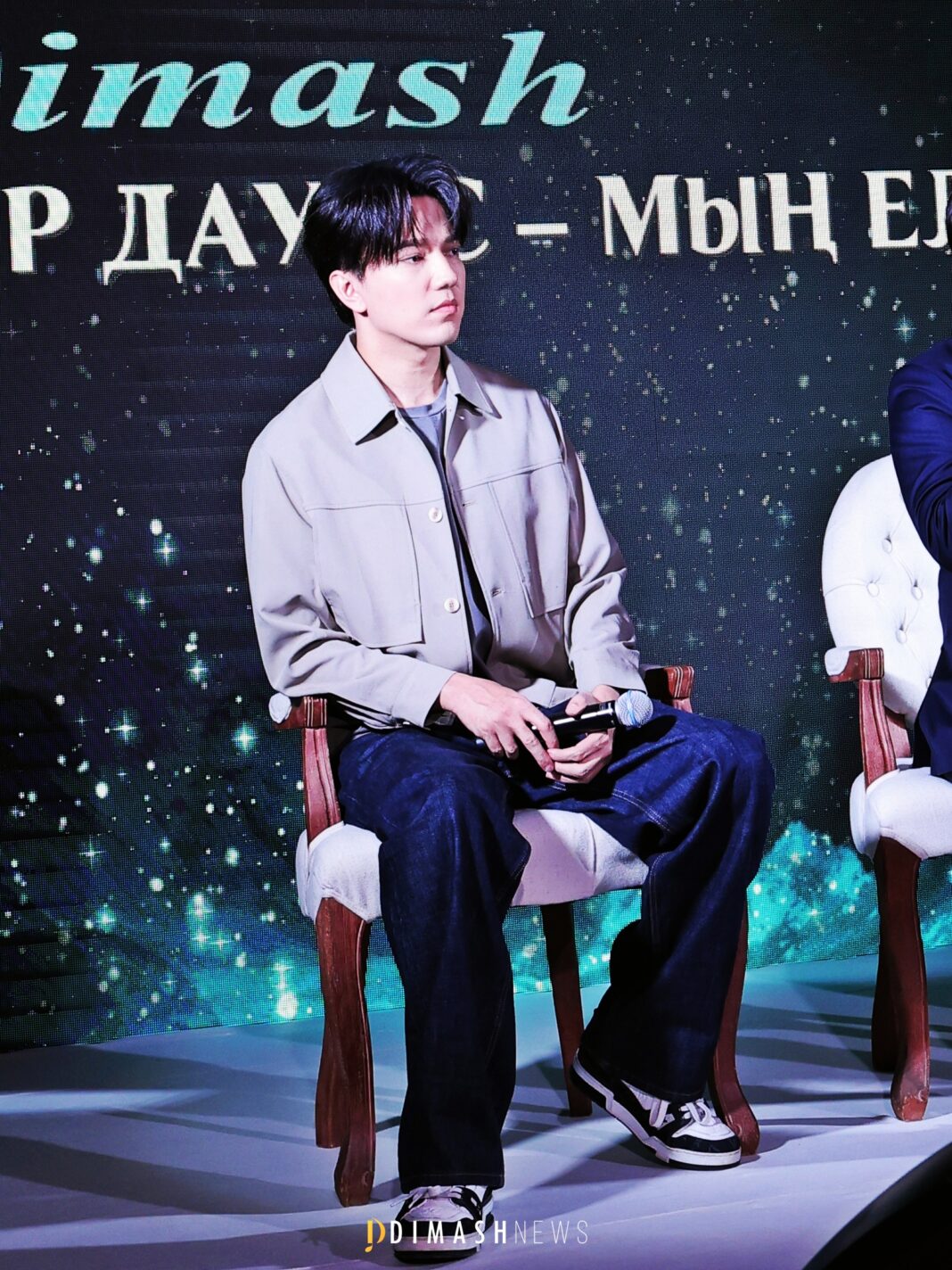
There are many nations and many people in this world, but there are no inhospitable nations and no hearts devoid of kindness. We all share one sky and one dream. Our languages may differ, but our purpose, to strive for goodness, is the same.
Every nation has its own cultural treasures and musical instruments. When fans present us with instruments that hold deep meaning in their hearts, it becomes a symbol of friendship between nations. The noblest purpose of art is to unite people in kindness. Thank you all for coming to celebrate art.”
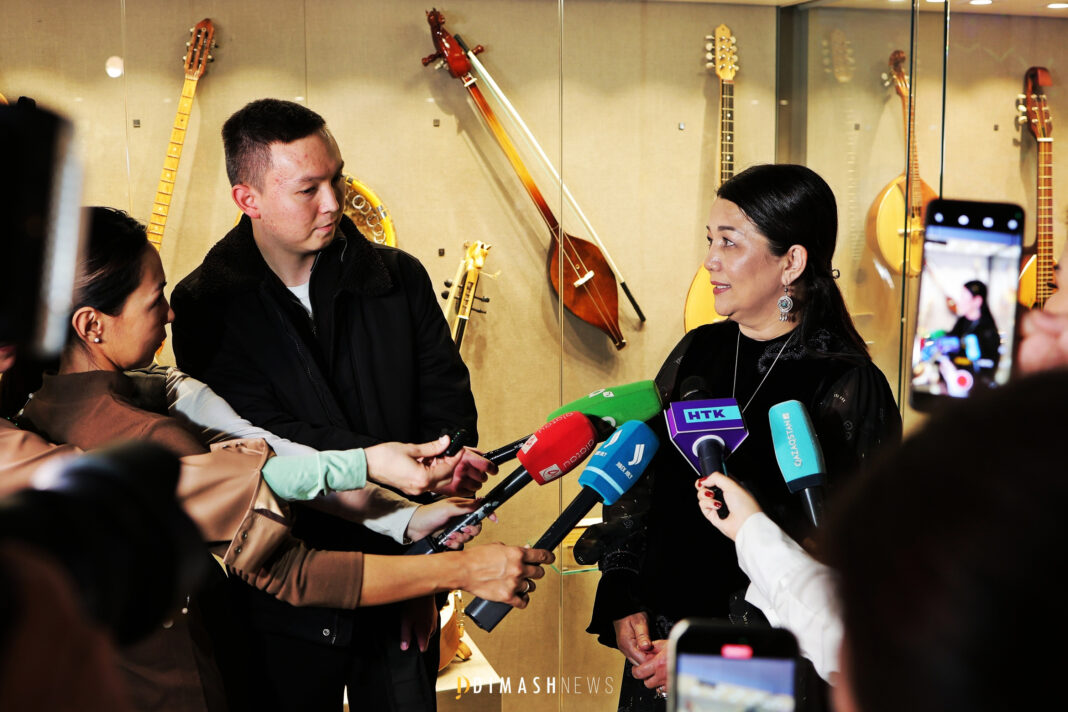
Svetlana Aitbayeva also addressed the audience and media:
“I communicate extensively with concert audiences and Dimash’s fans, so many of these instruments were personally entrusted to me as gifts.
The very first gift Dimash received was a gusli from his Belarusian fan club. It was crafted by an exceptional master, and it marked the beginning of his collection.
Later, when Bauyrzhan aga asked if the museum could receive one of Dimash’s dombras, I told him about the growing collection. That conversation eventually led to this major exhibition.”
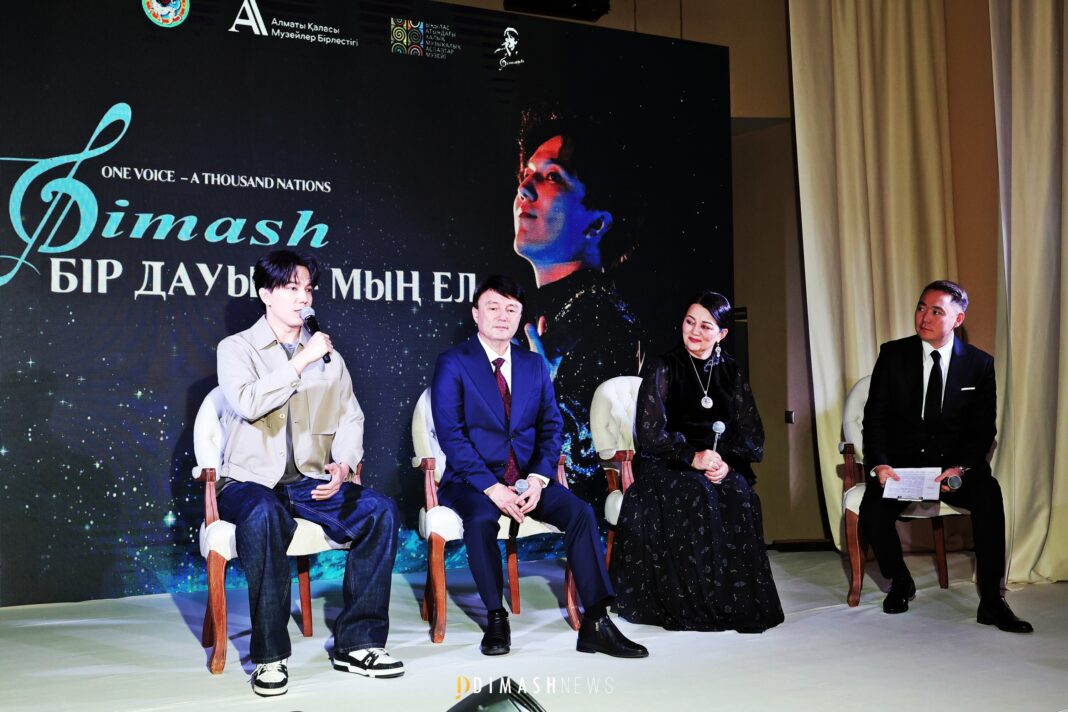
When asked which instrument on display was most valuable to him, Dimash responded:
“Dear guests, thank you all very much.
If I may, I would prefer not to single out any one instrument. What matters most is expressing our heartfelt gratitude, from myself and my entire family, for your support and kind words, which give me inspiration and strength.
Every instrument gifted to me comes from the heart. It would not be right to choose one over another. I love you all. Thank you.”
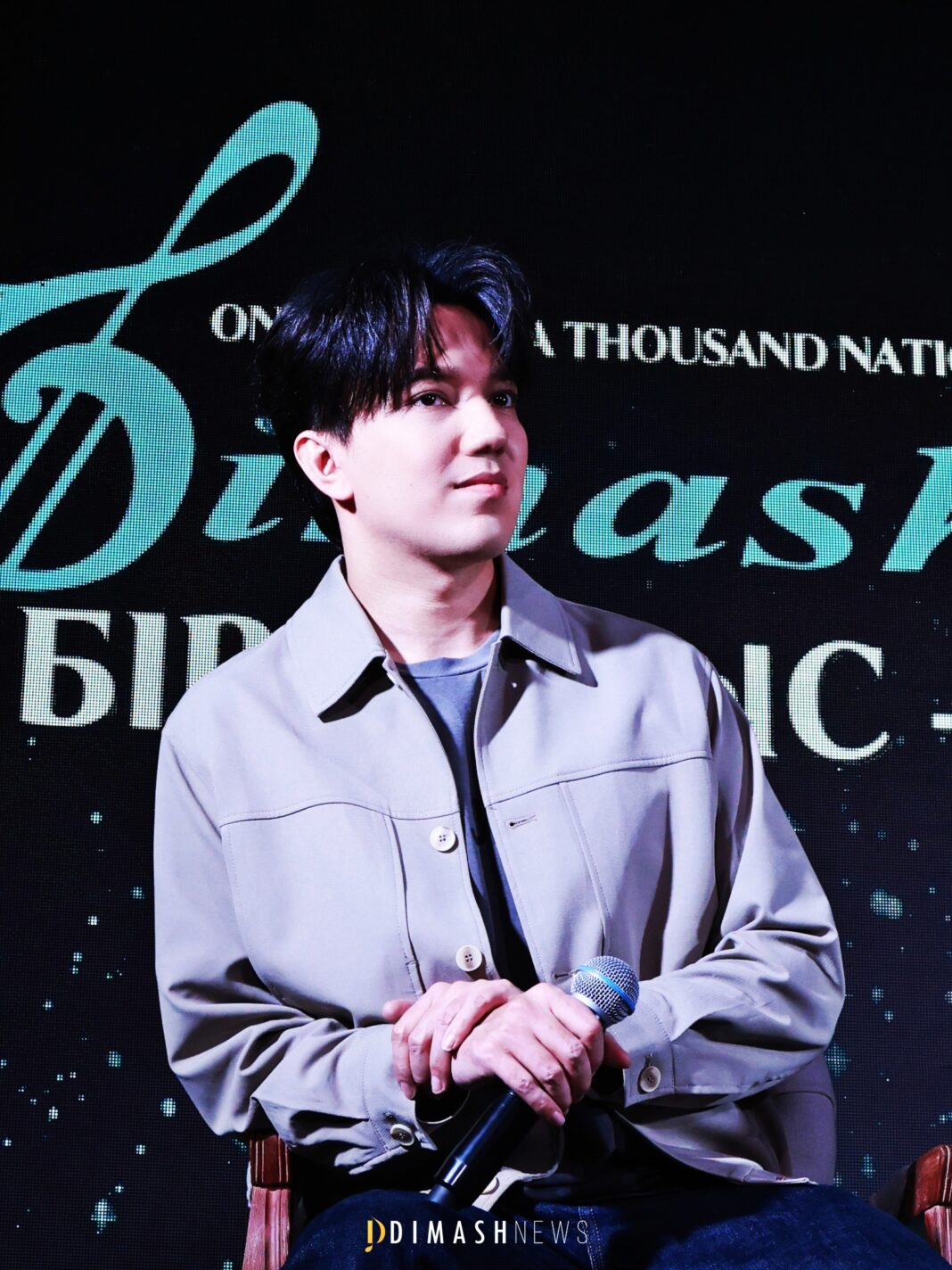
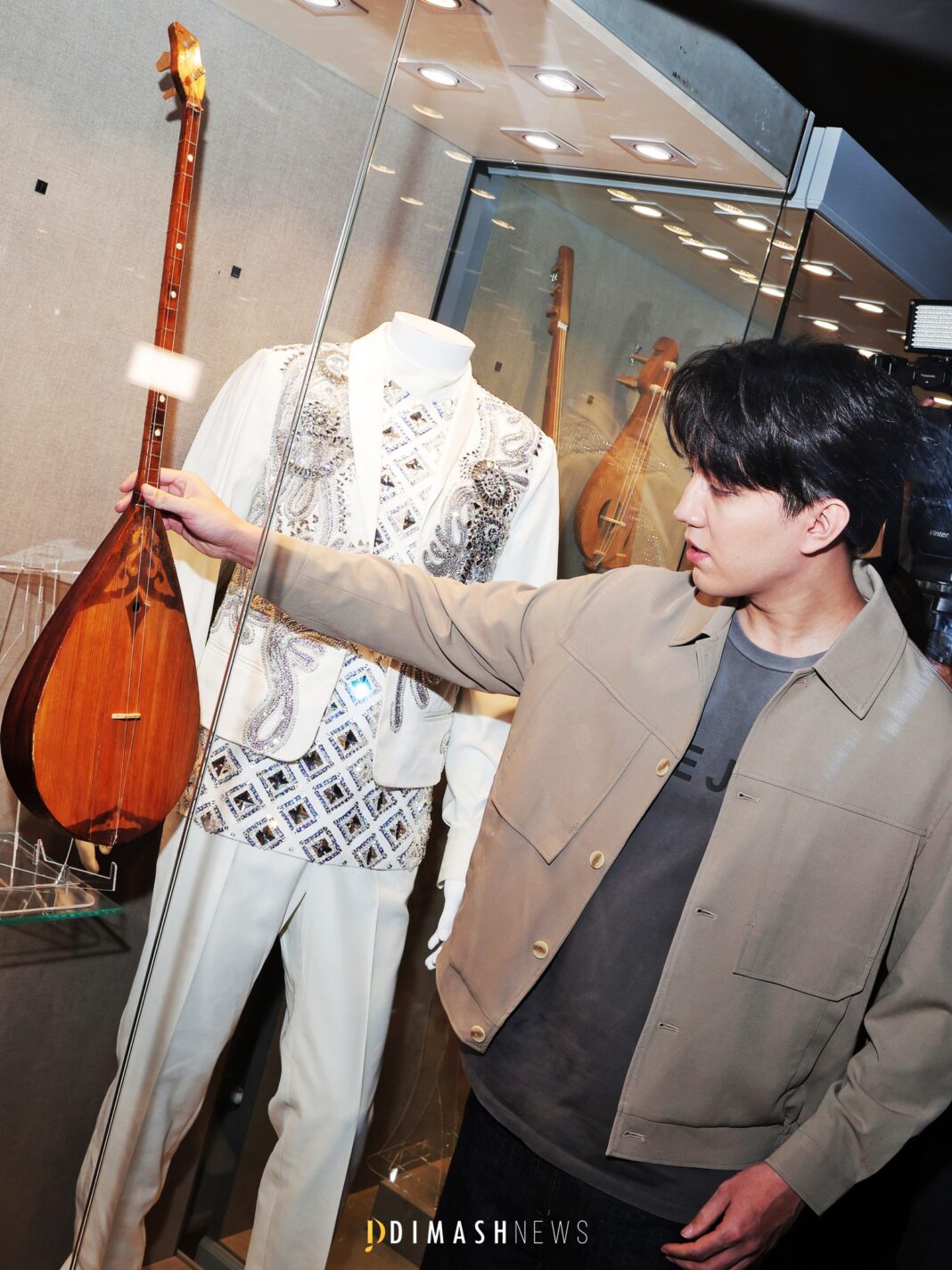
At the conclusion of the event, Dimash ceremonially donated his personal dombra, an instrument he has played since childhood, to the museum’s permanent collection.
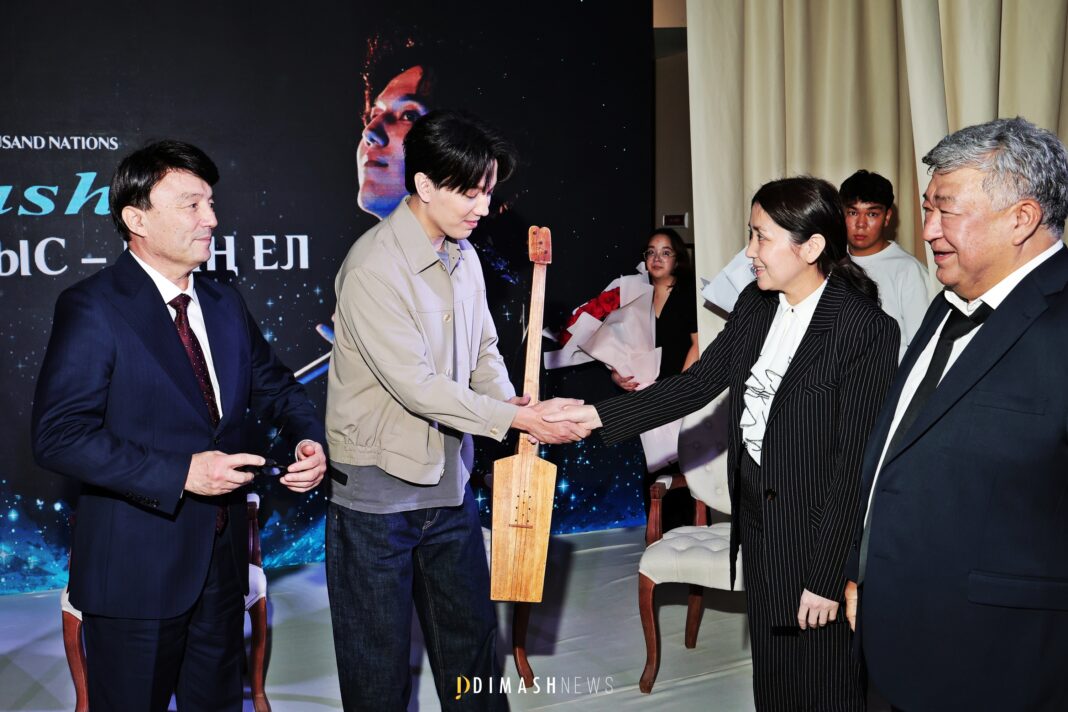
In return, Dimash’s personal collection was enriched with a replica of the original dombra belonging to Abai Kunanbayev – one of only four such historic instruments preserved in Kazakhstan.
Visitors are welcome at the Ykhlas Museum of Folk Musical Instruments:
24A Zenkov Street, Almaty, Kazakhstan.
