ҚАЗ
ҚАЗ  RUS
RUS  ENG
ENG 
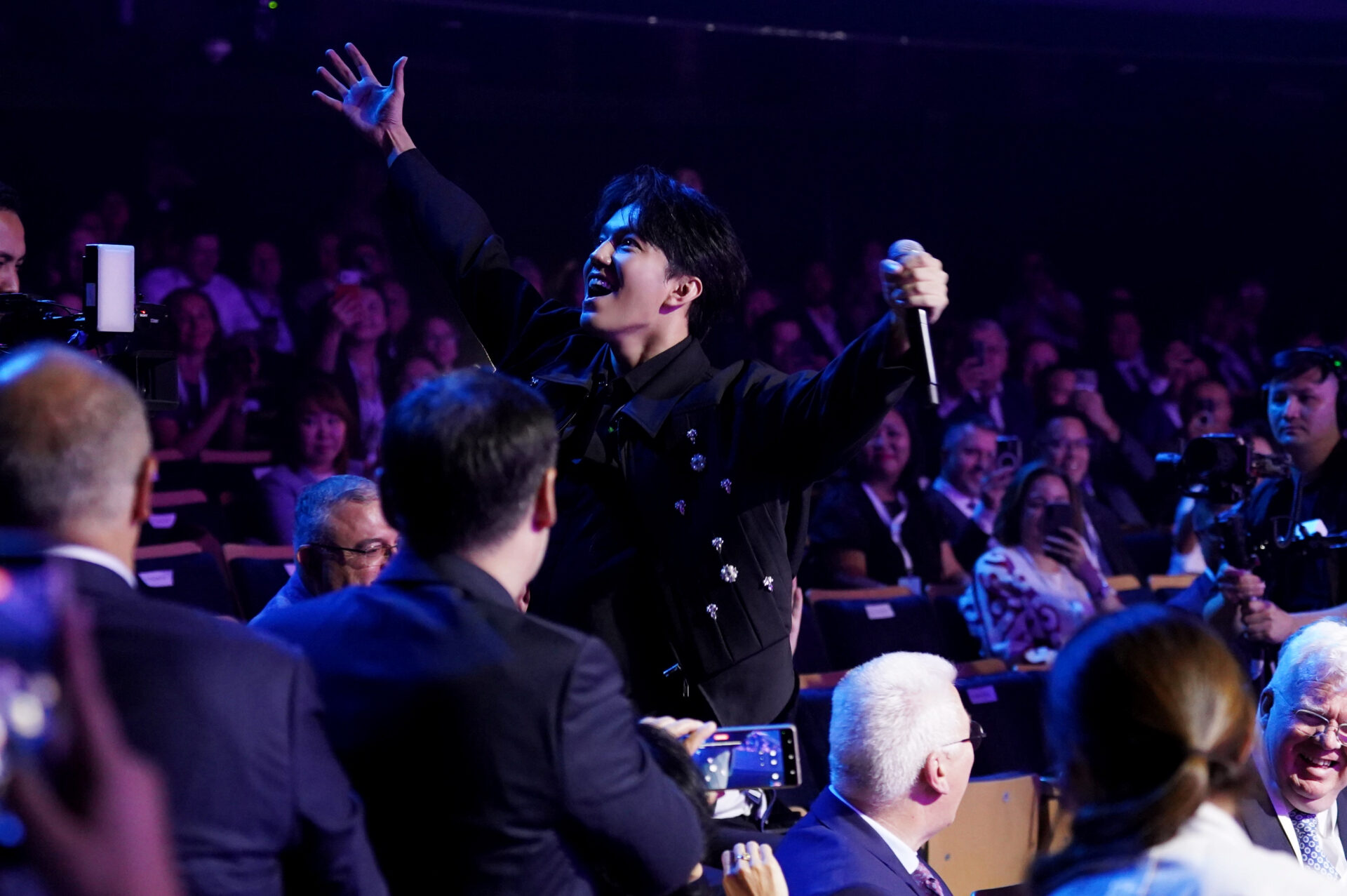
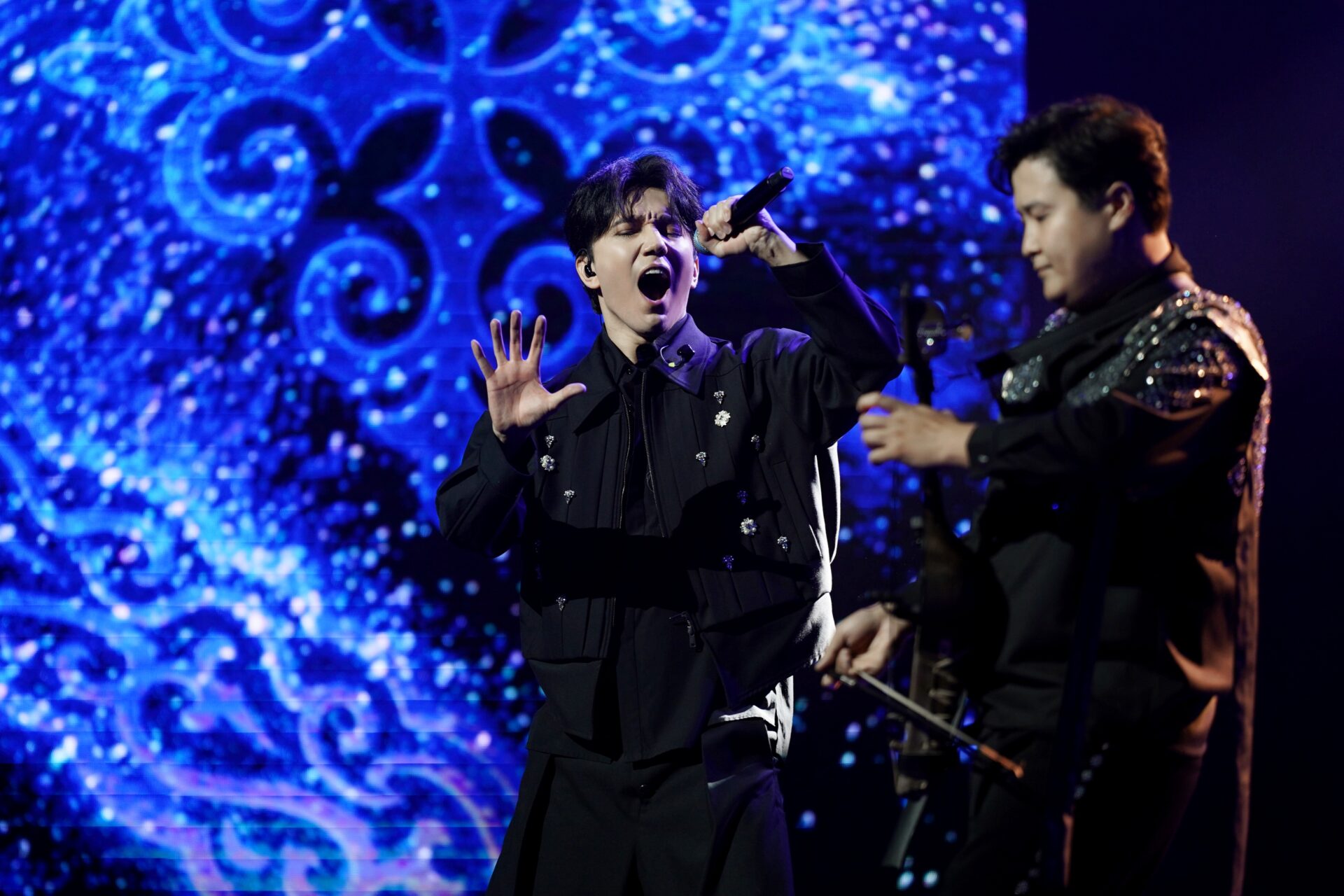
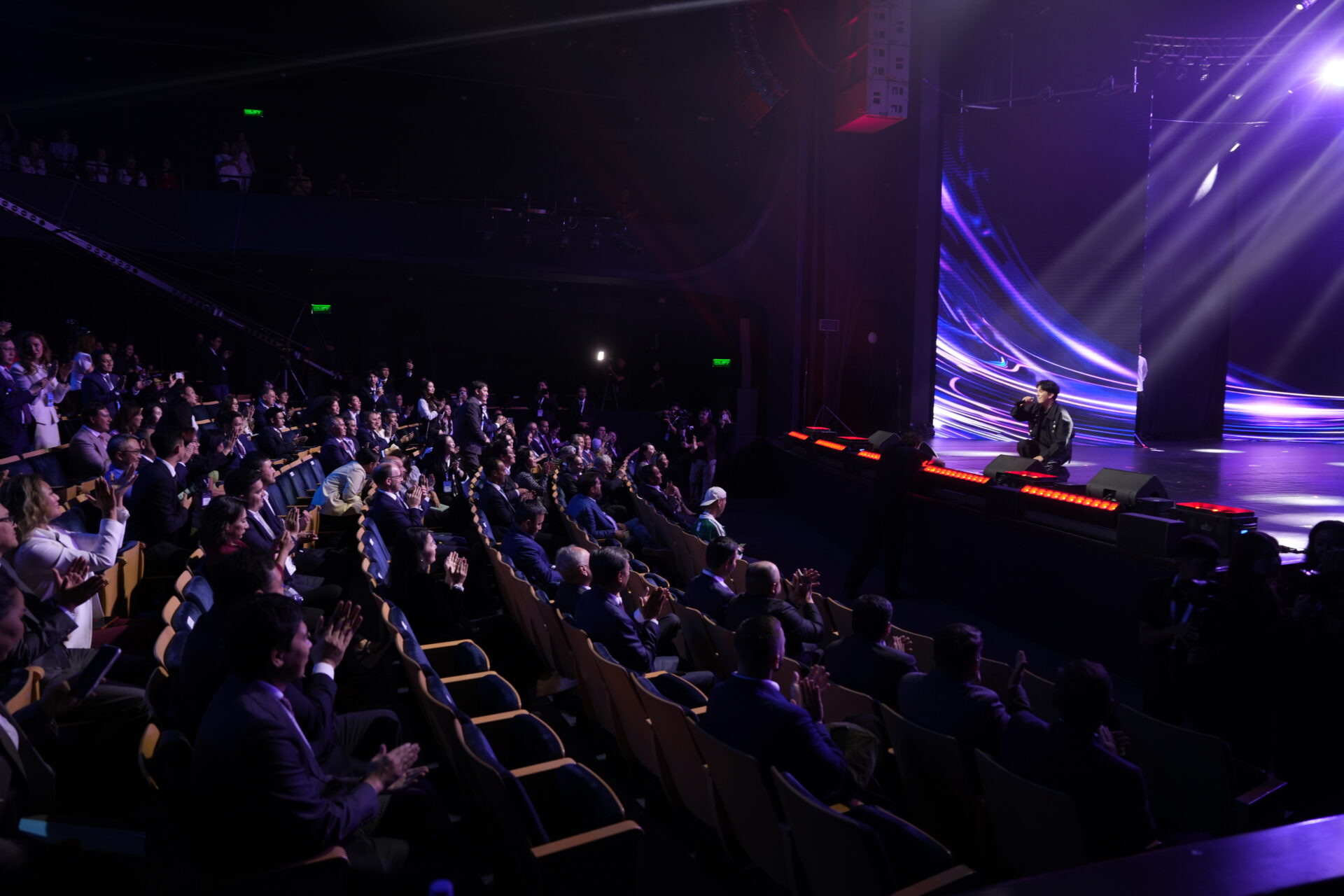
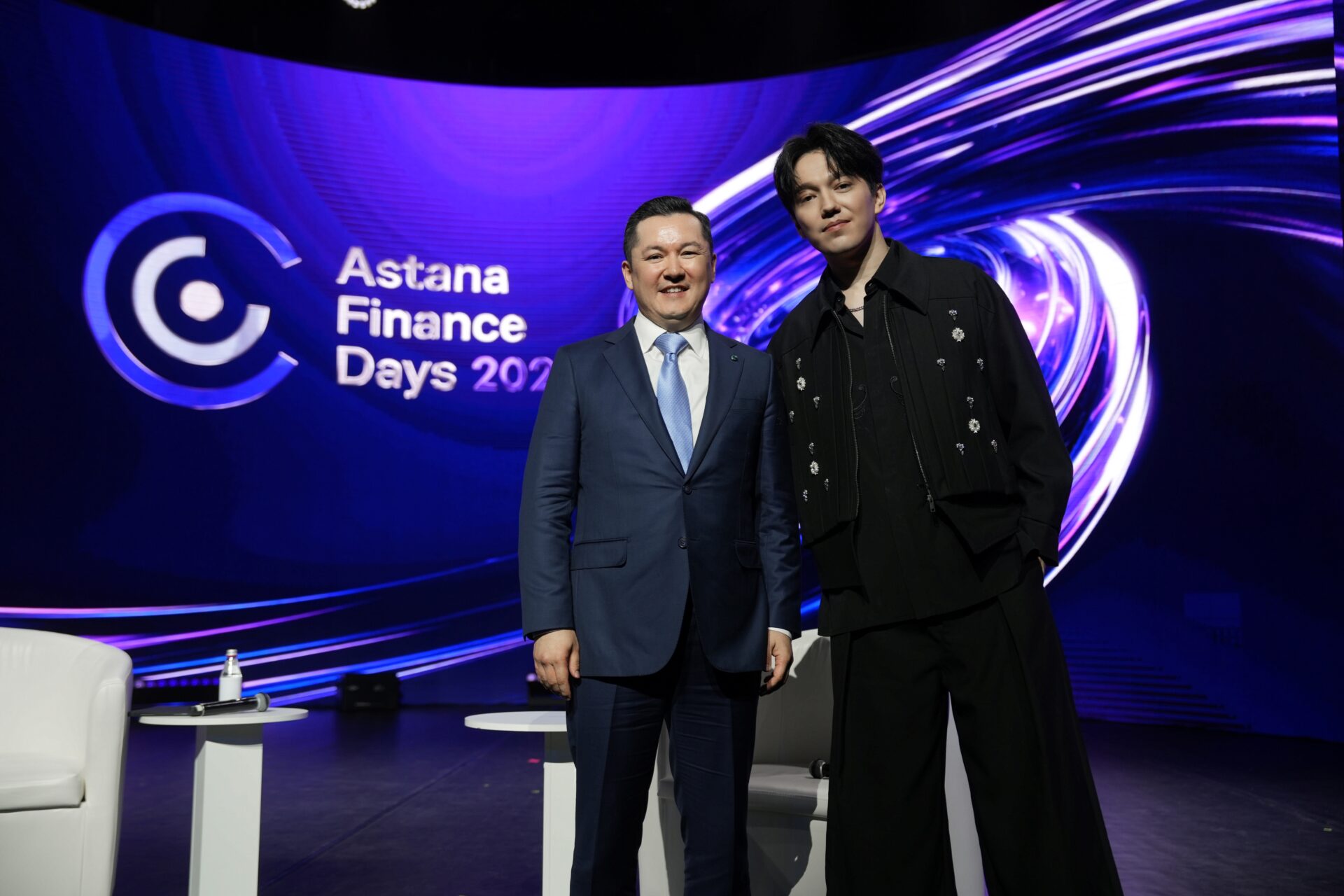
On September 9, Dimash Qudaibergen performed as a special guest at the opening of Astana Finance Days 2026 in Astana.
The Honored Artist of Kazakhstan, singer, composer, and producer not only showcased his artistry on the forum stage but also shared his thoughts on supporting and developing the creative industries.
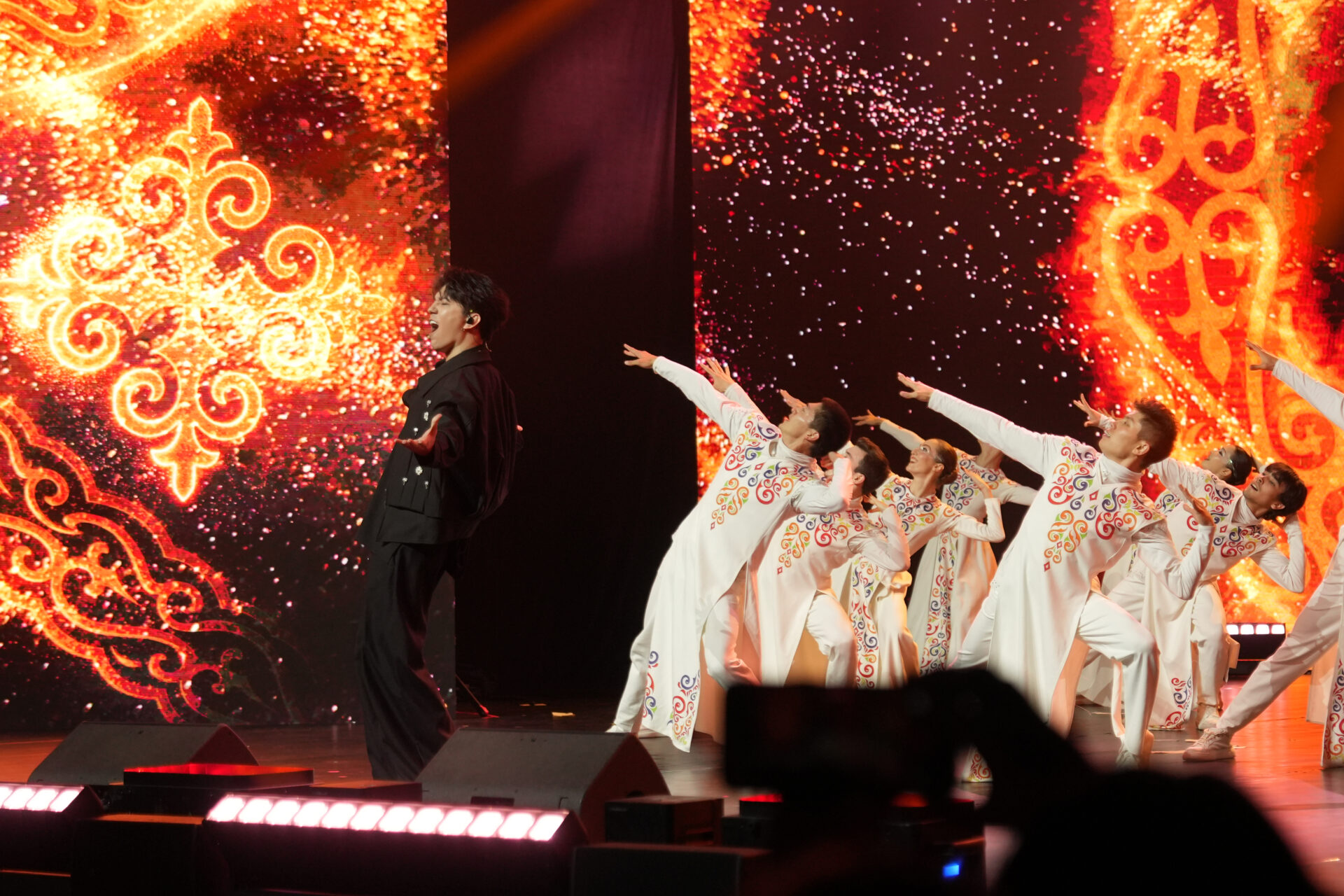
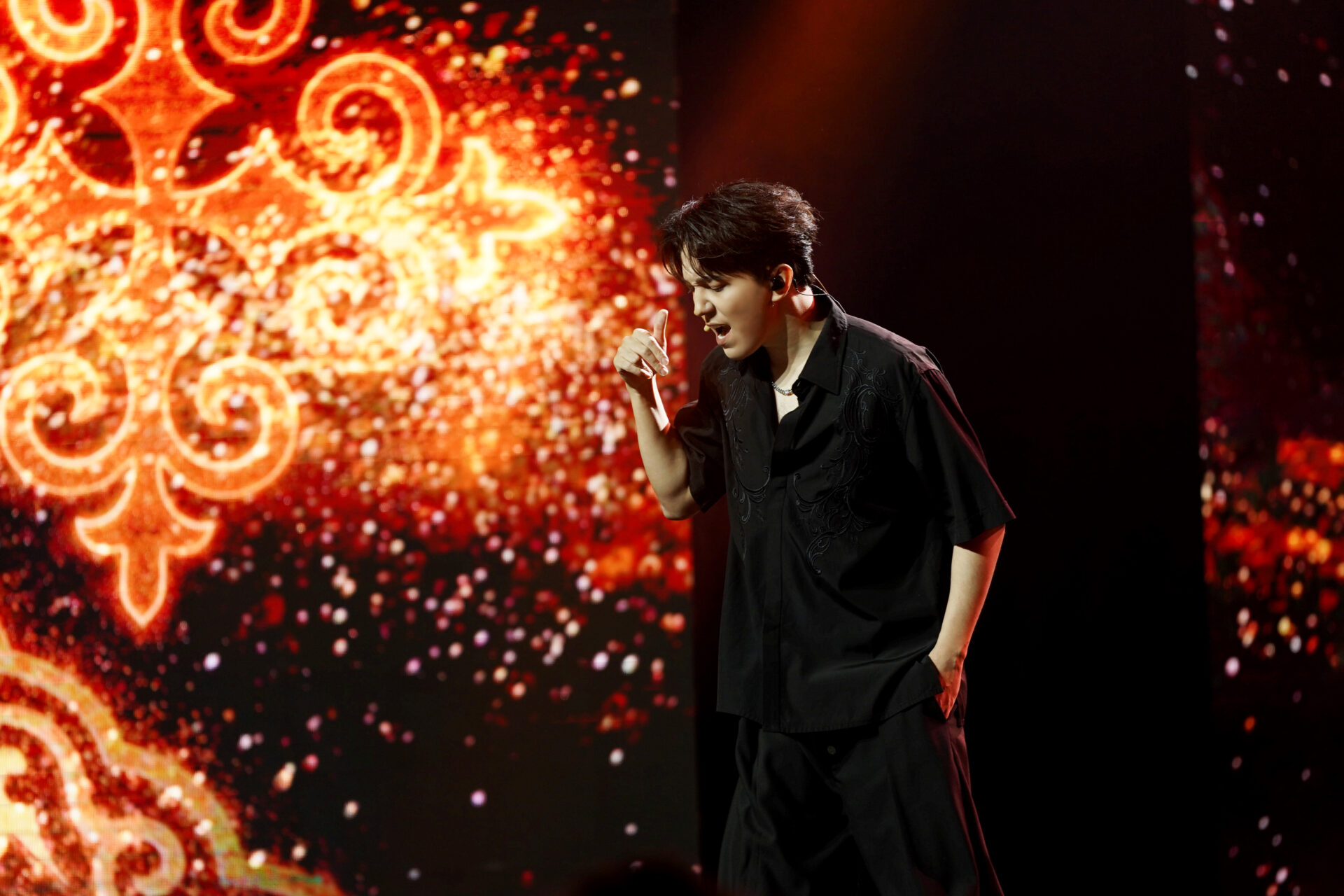 Dimash performed his recent release “Aqerke,” followed by “Stranger,” a composition by Igor Krutoy, which he performed alongside qobyz player Olzhas Qurmanbek. He also played the dombra together with the instrumental duo of Ernart Nauryz and Temirlan Olzhabay, performing the well-known kui “Adai,” and brought his signature energy to the stage with “Weekend.”
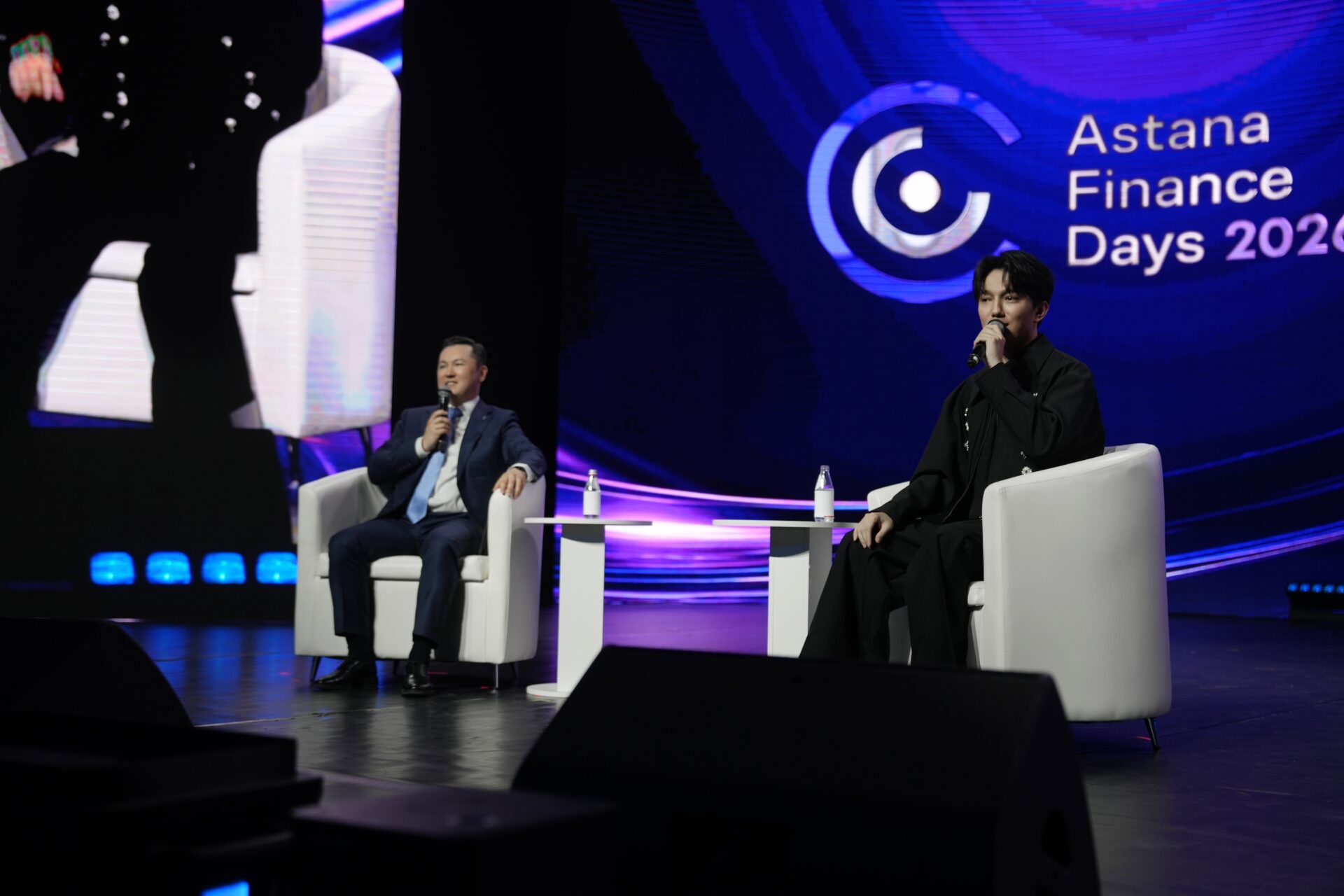
Following his performance, Dimash took part in a Q&A session with Renat Bekturov, Governor of the Astana International Financial Centre.
Why should investors see the creative economy as a real growth sector?
Our culture, history and music are unique, and that makes them interesting to an international audience. I know this from my own experience. My audience is a good example.
To grow internationally, our artists need legal protection and support from creative industry development funds. These funds can become a bridge between investors and new creative projects.
What do creators need to do to earn investors’ trust?
Of course, you need a great idea. But an idea is not enough. You also need a strong team of people who believe in the same goal.
Investors need to see not only talent, but also a team that can actually make the project happen.
How can an artist attract investment and still keep creative independence and ownership of intellectual property?
This is, of course, a personal choice for every artist. There is no universal approach: some are willing to give up part of their rights and infrastructure, while others consciously take a slower but more independent path.
I chose the second option. For me, it is essential to keep both creative independence and ownership of my intellectual property. That is why I prefer not to sign a contract until I have fully understood every term.
The key point is financial literacy. An artist cannot afford to stay on the sidelines when it comes to numbers, contracts, and licensing terms. If you understand how money works in the industry yourself, you do not give up control just because “that’s how it’s done” or “that’s what the label said.” You negotiate consciously and keep what is non-negotiable for you.
That is why I never find myself in a situation where I “don’t know how it works on the financial side.” This is not a separate job for a manager or a lawyer — it is part of the artist’s own professional responsibility.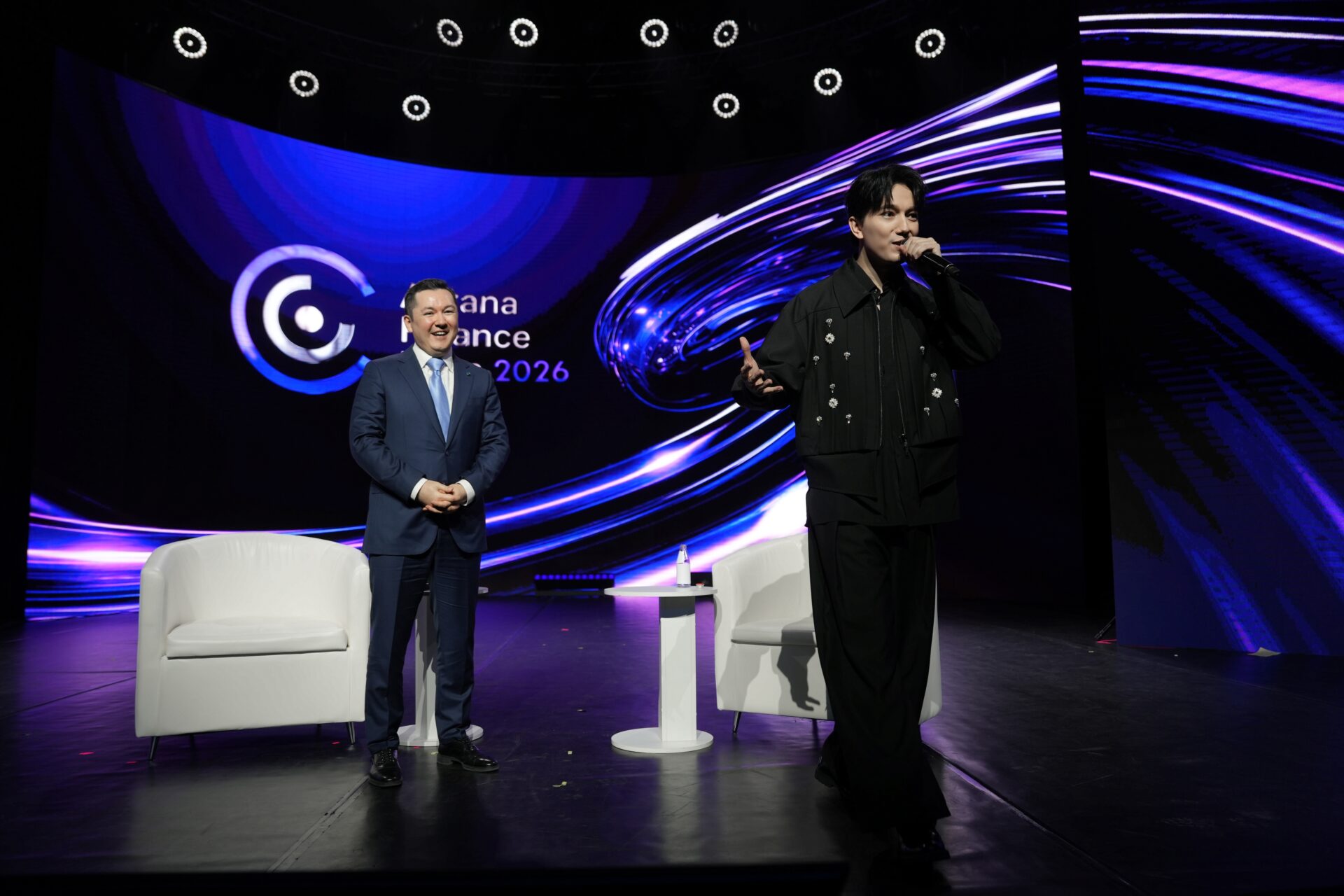 Today I no longer need to sign with labels — I have already moved past that stage. We now tour around the world, the work keeps coming, and I work with business partners directly.
We have our own label, which promotes young artists I have started producing. I also became the producer of my own vocal show on China’s most popular TV channel, Hunan TV. The show broke records with more than 2 billion views.
What did Voice Beyond Horizon teach you about presenting Kazakhstan to the world? What is uniquely Kazakhstan?
I think our uniqueness comes from combining respect for our roots with a desire to innovate. This gives us the wisdom of the past and the energy of the modern world.
We are not afraid to show where we come from, and we don’t see tradition as something old-fashioned. We can make traditional things feel fresh and turn something authentic into a modern trend.
What does it take to move from national recognition to a strong global presence?
You have to follow your own path. You shouldn’t change direction just because there is a quick financial opportunity, and you shouldn’t change yourself because of people you don’t agree with.
For me, professional career management means thinking long-term. You shouldn’t accept every offer just because it looks profitable today. You always have to remember the goal you are moving towards.
The road may become longer, more difficult or more expensive, but you shouldn’t change your main goal.
Where is the biggest gap between talented Kazakh creators and the global market?
Honestly, when we started, almost none of the things you mentioned were really well developed — except maybe the creative product itself.
Kazakhstan has many talented creative people who could represent our country internationally. But we still need stronger professional management — management that supports initiative instead of stopping it, and that doesn’t reduce creativity to making money at any cost.
A lot has changed over the last ten years, of course, but there is still work to do. I have seen how creative industries work in other countries as a complete system. It will take some time before we can compete at the same level, but we already have major projects, and that is a very good start.
When did you start seeing yourself not only as a performer, but as someone who could create opportunities for other artists?
I think it happened gradually. We wanted to expand the influence of our music, so we started promoting musicians from my team who introduce traditional Kazakh instruments to international audiences.
For example, the dombra duo Temirlan and Yernat, and Olzhas Qurmanbek, an amazing kobyz musician. When they performed during my international tours, they attracted a lot of attention.
I saw my audience becoming interested in the history of Kazakhstan, learning the language and even learning to play our instruments. Over time, I also wanted to give some of my own compositions to other performers.
Of course, this doesn’t mean I’m going to stop singing. Not at all. But creating and organizing other projects is also very interesting to me.