
 ҚАЗ
ҚАЗ  RUS
RUS  ENG
ENG 
An educational project in the Argentine city of Ezeiza has introduced local schoolchildren to the culture, history, and traditions of Kazakhstan through the art of People’s Artist of Kazakhstan Dimash Qudaibergen.
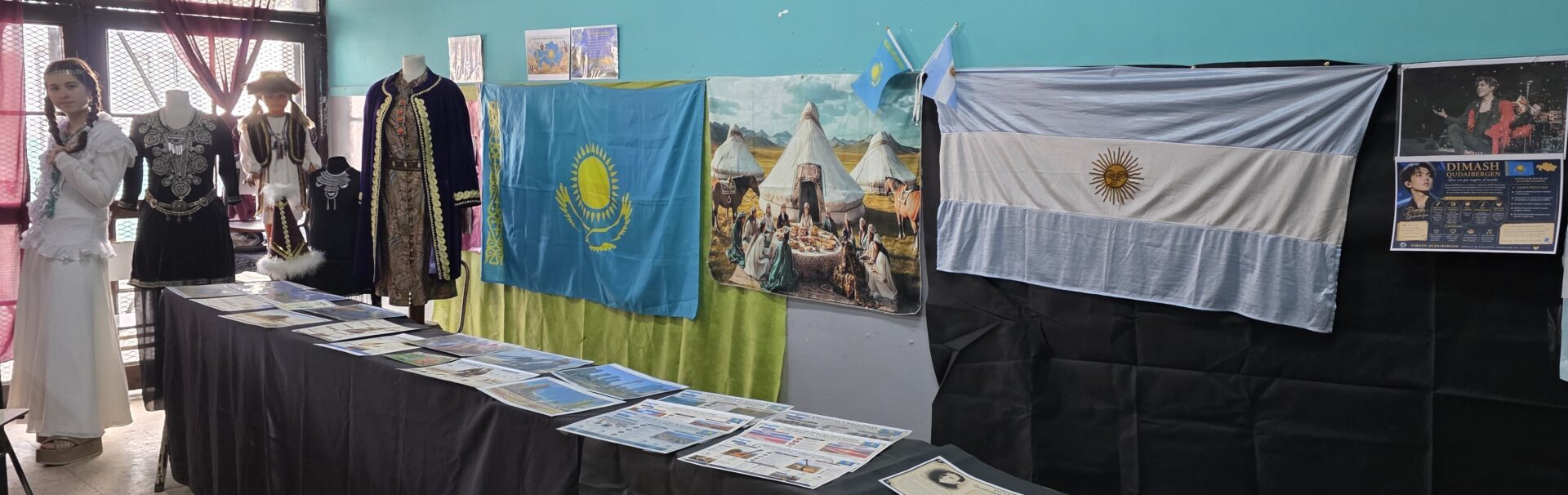
The initiative, created by teacher Paola Romina Profeta, brought together students from School No. 13 for a year-long project titled “Names and Identity: From Discovering Kazakhstan to Choosing Your Own Path in Life.” Its goal was not only to explore a distant country but also to encourage young people to reflect on their own identity and future.
The project began with a simple question: What does the word “Kazakhstan” mean? As the students learned about the origin of the country’s name, its history, traditions, music, and cultural heritage, they gradually turned their attention to their own roots, asking themselves: What does it mean to be Argentine?
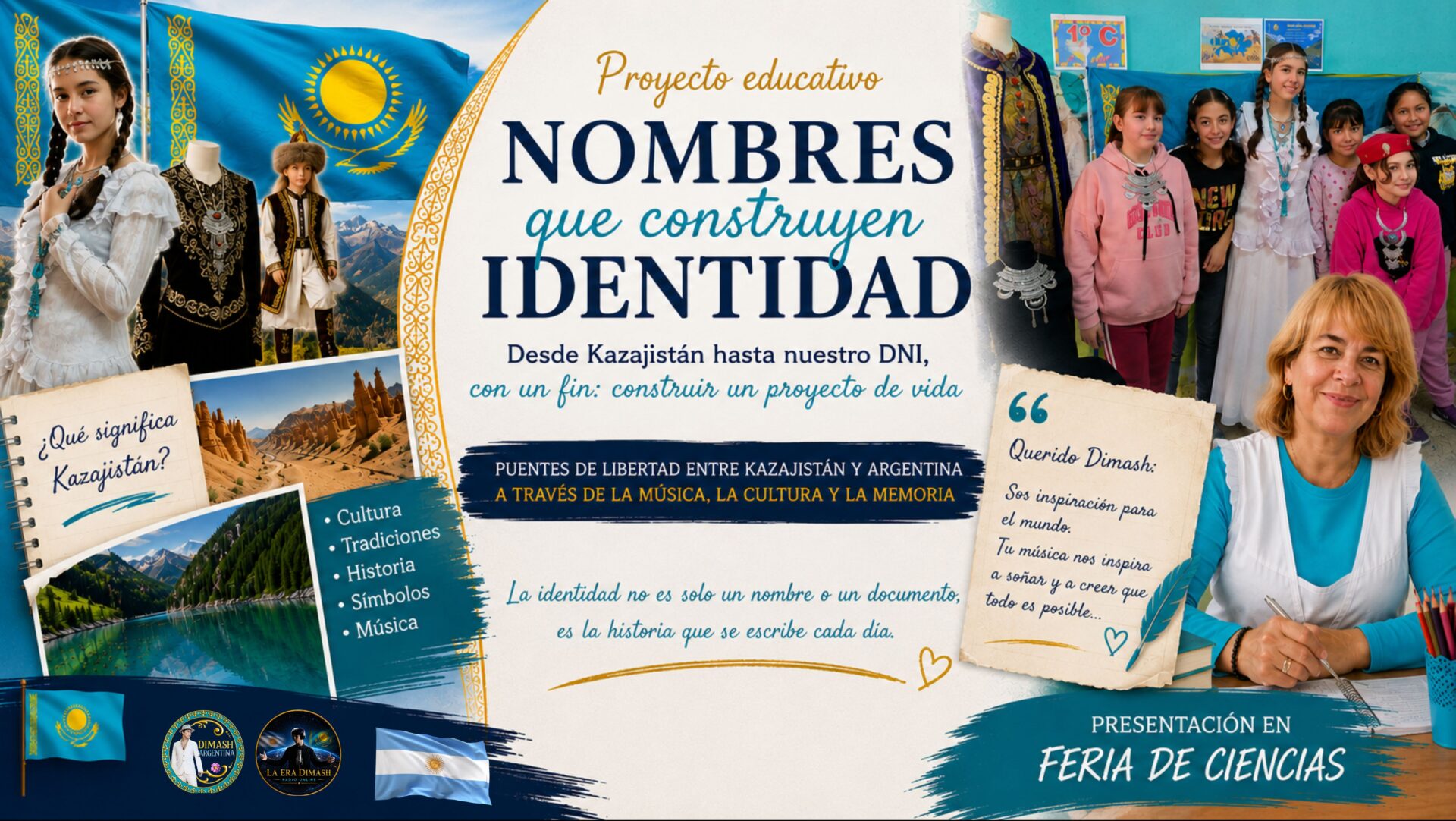
As part of their research, the students also explored the striking similarities between Kazakhstan and Argentina. They compared Charyn Canyon with Quebrada de las Conchas, Lake Kaindy with Villa Traful, and the Torish Valley with Argentina’s Moon Valley, discovering how landscapes thousands of kilometers apart can share remarkable features.
A central part of the project was dedicated to the work of Dimash Qudaibergen. The students watched and analyzed the music video for “Love’s Not Over Yet,” discussed its storyline, and wrote letters to the artist, sharing their own ideas for how the story could continue and inviting him to visit Argentina.
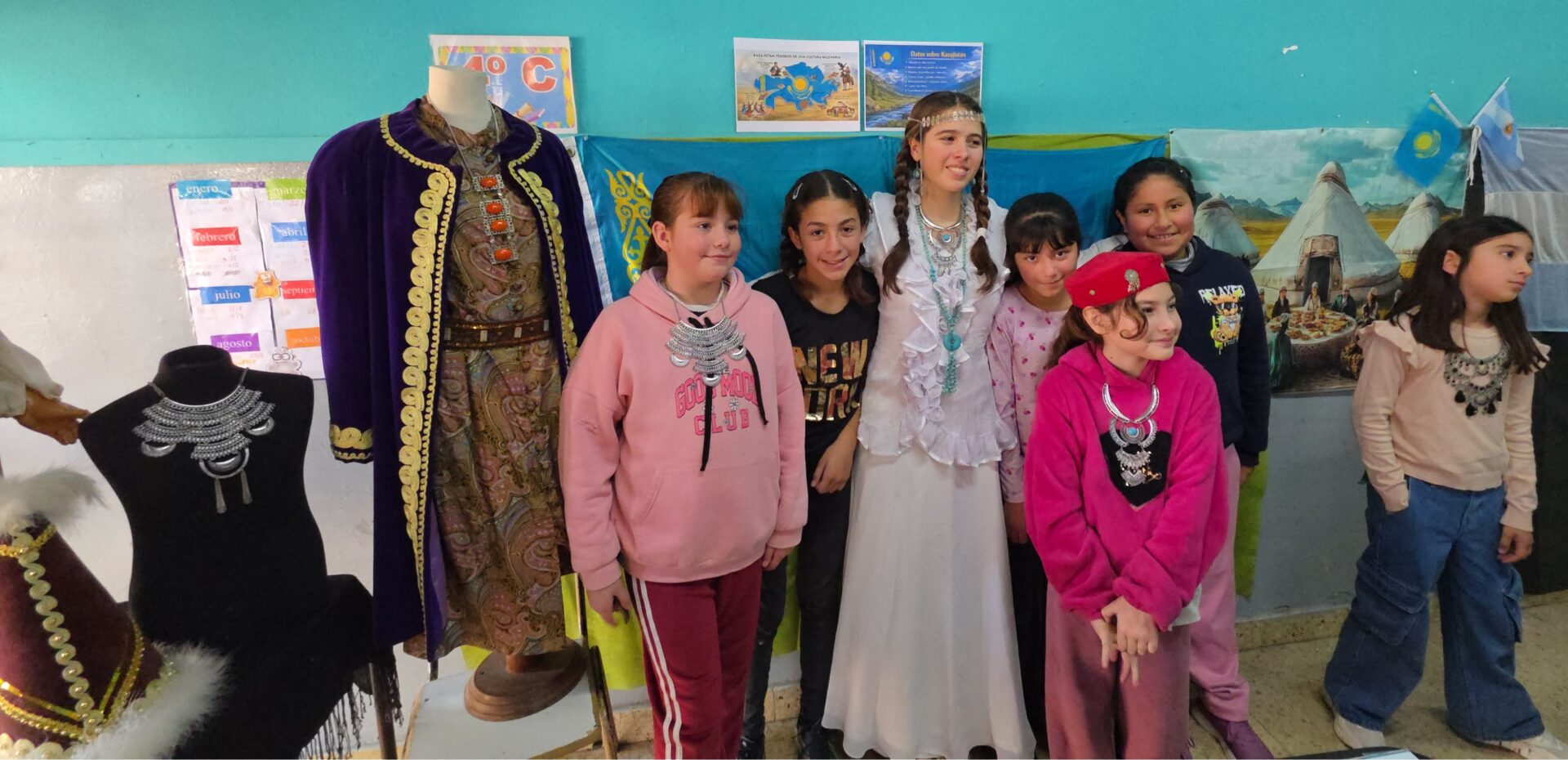
According to the organizers, Dimash became an inspiring example for the children of someone who achieved international success through exceptional talent, perseverance, and respect for his cultural heritage.
The project later shifted to a more personal level, as students researched the origins of their own names, learned who had chosen them and why, and reflected on two important questions: Who am I? and Who do I want to become?
The project concluded with a presentation at a science fair, where visitors explored an exhibition dedicated to Kazakhstan and Argentina, viewed comparative materials about the two countries, and learned about the students’ aspirations, values, and dreams through stories they had prepared as part of their research.
