
 ҚАЗ
ҚАЗ  RUS
RUS  ENG
ENG 
On June 20, the National Autonomous University of Mexico (UNAM), the largest university in both Mexico and Latin America, hosted its Diploma Course on Asia, featuring a special focus on Kazakhstan’s culture and humanitarian potential.

The project was initiated by Dimash Qudaibergen’s fan club in Mexico, whose efforts led to Kazakhstan-related topics being included in the educational program. Earlier, fan club representatives met with the university administration to discuss opportunities for future cultural cooperation.
According to the organizers, interest in Kazakhstan emerged after a Nauryz celebration held in April. It was during that event that the university became acquainted with the activities of fans of the Kazakh artist and supported the idea of continued cultural collaboration.
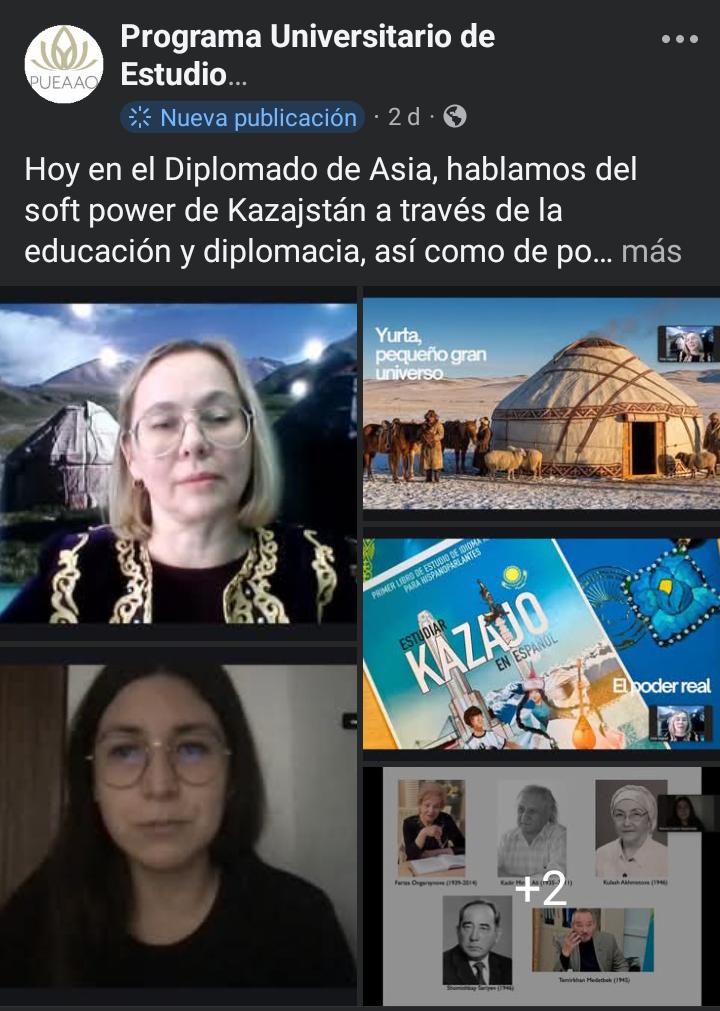
To participate in the program, representatives of the Central Asian cultural community were invited: Irina Wagner (Kazakhstan Center in Rosario, Argentina) and Marcia Castro (Casa de Asia Central, Chile).
During the course, participants explored Kazakhstan’s “soft power” through education and diplomacy, as well as contemporary poetry and its connection to the steppe as an important cultural and philosophical symbol of the region.
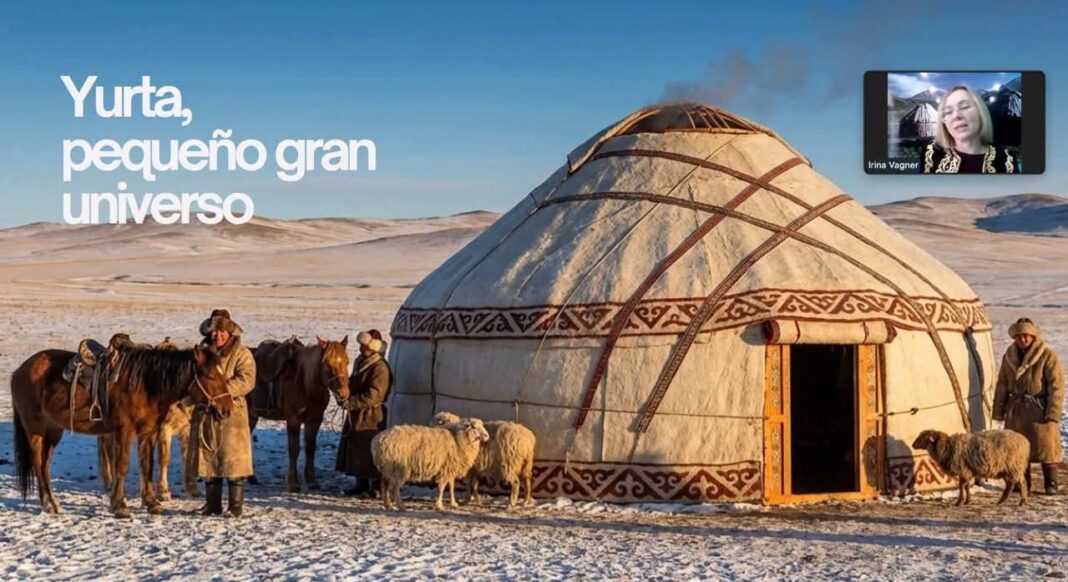
In her speech, Irina Wagner noted:
“The yurt was much more than just a home. It represented a way of understanding the world – one based on mobility, constant coexistence with nature, and a strong sense of community.”
She also emphasized the importance of cultural exchange:
“True influence is built not through coercion, but through awakening interest and creating connections between people. It is through culture, knowledge, and exchange that long-lasting and meaningful impact emerges.”
Marcia Castro dedicated her presentation to the role of natural landscapes in the cultural heritage of Central Asia:
“The steppe and the desert are not empty spaces. They are living territories where history, identity, memory, and artistic expression intersect.”
The organizers expressed their gratitude to the speakers for supporting the initiative and contributing to introducing Kazakhstan’s culture to the academic community at UNAM.
As Dimash Qudaibergen’s fans noted, this project became another step in their ongoing efforts to promote Kazakh culture and develop international cultural initiatives.
